Noise-Cancelling Headphones for ADHD: 5 Honest Picks That Actually Work

TLDR: Noise-cancelling headphones help ADHD by reducing auditory overload and improving focus. The best pair isn’t the most expensive one; it’s the pair comfortable enough to wear every day in any circumstance.
From the shower to the grocery store, from $50 to $500 pairs, I’ve worn headphones nearly every day for at least the last 5 years. I’ve tried a lot in every situation, so you don’t have to, and I have opinions.
Tested and approved by a fellow scatterbrain, here are the top 5 noise-cancelling headphones for ADHD.
What Makes Headphones Good for ADHD
Material Matters
The AirPods Max were my first pair of noise-cancelling headphones, and I was certain the fabric cushions were the right choice because I hate the feeling of sweat against pleather.
What I didn’t account for was that fabric cushions smell after a while, and when they get wet, you can’t just wipe them off and move on. You have to let them dry, which means taking them off completely or sitting through the discomfort until they do, and for anyone with sensory sensitivities, that’s enough to make an otherwise great pair unwearable.
An easy fix if you do go with fabric is to buy an extra set of ear cushions, and honestly, a backup of that too, because losing one while the other is drying is exactly the kind of thing that happens to those of us with ADHD.
If you’re mainly wearing them indoors or in a cooler climate, fabric is genuinely the more comfortable choice, but if you’re outside often or live somewhere warm, pleather is the safer call because sweat is going to happen, and wiping it off is a lot easier than waiting for them to dry.
Weather the Storm
Hygiene maintenance is one of the most common hurdles individuals with executive dysfunction face.
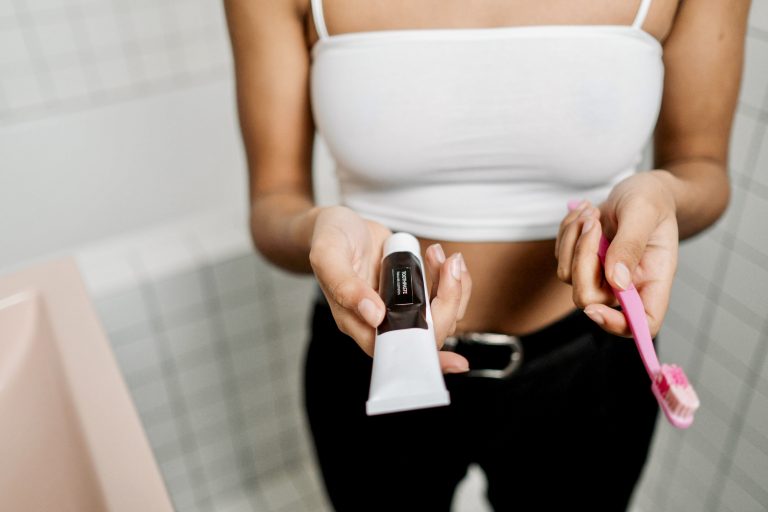
Tasks like showering, brushing your teeth, or even just washing your face require initiating something that feels low-reward, and when your brain is already struggling to motivate itself, even the smallest barrier can be enough to put it off entirely.
Having something that makes the experience more tolerable is often what actually gets you in there, which means your headphones likely need to handle a little steam or a stray splash.
Most won’t advertise a water resistance rating, and you’re obviously not swimming in them, but there’s a difference between a pair that can handle steam as the shower runs and one that panics at the sight of humidity.
Band comfortability
If I were a betting woman, which I’m not, I’d bet that most headphone companies don’t consider that their average customer will be wearing their product for hours on end. Yet if you have ADHD, hours on end is exactly how you’re wearing them.
A headband that feels fine at noon but brings on a pressure headache by 4 PM is not a minor inconvenience. You can spend the money, commit to the pair, and then find yourself pushing through the discomfort instead of using them to focus, which is ironic considering that’s the whole reason you bought them.
Long Lasting
I wear mine everywhere, so I’ve gone through quite a few pairs.
Cheap hinges crack, headbands split, ear cups peel at the seam, and metallic noises from cheap ANC are just a few things to look out for. Read reviews from people who’ve had them for a year, not the ones written the week the package arrived.
Best Noise-Cancelling Headphones for ADHD
Best Overall: Sony WH-1000XM5 — $349
The Sony XM5 comes up every time ADHDers ask for a headphone recommendation due to its superior noise cancellation.
Another truly great selling point is that they have a hand-over-ear feature that pauses ANC automatically when someone tries to talk to you. Personally, this feature is really cool to have, since I wear my headphones in public daily, and it’s a bit inconvenient trying to pause my phone or push the pause button on the headphones.
Some hesitation I had about sticking with this pair has always been the bulky look, which I know may seem unimportant initially, but if I don’t feel comfortable wearing them in public, then that creates friction around how often I’ll grab them, which I wanted to avoid. A bigger issue I found was that many people mentioned the hinge breaking, which is worrisome because a broken hinge means an unusable pair of headphones.
For the noise cancellation, though, nothing on this list touches it.
Pros
- Strongest noise cancellation on this list
- Touch controls and hand-over-ear ANC pause
- Deep community trust for a reason
- Frequently goes on sale
Cons
- Build quality concerns, hinge breaking is a reported issue
- Bulkier design than competitors
- Doesn’t fold flat
- Touch controls easy to accidentally trigger
Best Runner Up: Sony WH-1000XM4 — $249
The XM4 gives you the same core experience as the XM5 at a lower price point, and it comes up almost as often in recommendations for good reason.
The battery holds up at 10 hours a day after years of heavy daily use, which, for something you’re relying on every day, is amazing, and unlike the XM5, it folds flat, which, for me, would have addressed the hinge concern entirely.
If you find these on sale, you’re getting 90% of the XM5 for significantly less money, and for most people, that’s the smarter call. It’s worth noting, however, that glasses wearers have flagged the seal breaking around the arm of the frame over time, which affects how well the ANC performs.
Pros
- Folds flat, more portable and structurally sturdier than the XM5
- Battery holds up after years of heavy daily use
- Frequently goes on sale well under $249
- Same core experience as the XM5
Cons
- Glasses wearers lose some ANC effectiveness over time
- Touch controls easy to accidentally trigger
Best for Long Wear: Bose QuietComfort — $349
The QuietComfort line has been a community go-to for years because the comfort of this pair is hard to compete with. The clamping pressure is light enough that you can wear them for 4-6 hours a day for years without issue, and people do, often going through multiple sets of ear pads and still recommending them.
What I personally was dissuaded by was the sound quality. I don’t only wear noise-cancelling headphones to block things out; I also want to enjoy what I’m listening to, and the Sonys beat them there by enough that it mattered to me.
If long-wear comfort is your single biggest priority, though, these are the ones people stick with the longest. Glasses wearers should also know that the arm of the frame can dig in after a couple of hours, which is the most consistent complaint across the board.
Pros
- Light clamping pressure, comfortable for a full day
- Replaceable ear pads built for longevity
- Strong ANC, close to Sony level
- Years of daily wear from people who still recommend them
Cons
- Sound quality for music falls behind Sony
- Glasses wearers may find the frame arm uncomfortable over time
Best Splurge: Apple AirPods Max — $549
This was a hard decision because I have a beef with a few of these headphones (ANC issues suck!), but I have to rank the AirPods Max as the top splurge choice because of their interchangeable earpads, durability, and comfort.
The mesh headband distributes weight so eventually you forget it’s there by hour two, and after experiencing one too many headbands that turned into pressure headaches by the afternoon, fit almost matters more than any spec on the box. The swappable ear cushions mean you’re not stuck when one needs to dry, and the Find My integration has saved me more times than I’d like to admit because losing them is a when, not an if.
The honest downsides: these are heavy if you’re moving around a lot, so if you’re wearing them outside, you will notice their weight after a while. Around year three, a lot of users start noticing a crackling or tinny sound when ANC is active, something Apple has never really fixed.
Mine eventually stopped connecting altogether around 3-4 years after ANC issues started, which, for a $549 pair of headphones, is a conversation worth having with yourself before you buy. You can purchase the Apple protection plan for a replacement pair if they stop working, but that only matters if you remember to use it in time, which, sadly, I didn’t.
Pros
- Interchangeable ear cushions
- Mesh headband that doesn’t cause pressure or sweat
- Find My integration
- Built to last
Cons
- Heavy, not great for outdoor or active use
- ANC crackling issues around year three
- Price doesn’t account for the extra cushions you’ll want as backup
Best Budget: Beats Studio Pro — $349 (frequently under $150 on sale)
For the price, portability, and most importantly, comfort, the Beats Studio Pro wins this category. I sweat a lot and live in the south, so making sure I’m not uncomfortably wet when I take them off is non-negotiable.
Pleather cushions, which you can wipe down in seconds, are lifesavers every day. They fold flat, they’re light, and they don’t make my head feel like it’s in a vice after an hour, which makes them the easiest pair on this list to take with you. They also support Find My, which doesn’t get mentioned enough for a pair at this price point.
On the flip side, there are a few cons worth knowing before you buy. Depending on the color, the paint chips earlier than it should for a $350 pair of headphones; mine are brown, so it’s pretty noticeable. Mine also had ANC issues in the first month, which, for a feature that is essentially the whole point, is not a great sign. These are also not the pair if you always run hot, but if you’re like me and just need something you can wipe down and use day to day, that tradeoff is worth it, especially at the sale price you can usually find them under $150.
Pros
- Lightweight and genuinely portable
- Pleather cushions wipe clean in seconds
- Find My support
- Frequently on sale under $150
Cons
- Paint chips earlier than it should
- ANC issues reported within the first month
- Pleather runs warm if you already run hot
Do noise-cancelling headphones really help ADHD?
Yes, noise-cancelling headphones really help ADHD, but not because they block out everything like one may think.
They help because they give you control over your auditory environment, which is something ADHD brains struggle to do on their own. Since we have trouble filtering out irrelevant stimuli, sounds that most people tune out automatically, a coworker’s conversation, the hum of an air conditioner, someone typing across the room, register as equally important as whatever you’re supposed to be focusing on.
Noise-cancelling headphones do that filtering for you, and for many ADHDers, that simple shift makes a meaningful difference in how much we’re able to get done in environments we otherwise wouldn’t function as well in.
ANC vs. Total Silence: The ADHD Caveat
Active Noise Cancellation, or ANC, is a feature that uses built-in microphones to detect external sounds and cancel them out before they reach your ears. The result is a quieter environment that, for a lot of people with ADHD, makes it significantly easier to focus. On the flip side, for others, silence makes the internal noise louder instead.
High-focus tasks tend to benefit from complete silence, but on lower motivation days, total quiet can actually make it harder to start. This is why sound quality matters just as much as noise cancellation, because on those days you need something playing, tinny or low audio is not going to cut it.
The truth is that both matter, so when you’re shopping, it’s worth looking at ANC strength and sound quality equally, because at some point you’re going to need both.
Over-ear vs earbuds for ADHD?
For noise cancellation specifically, over-ear headphones are the better choice, and the reason is pretty straightforward. The physical design creates a seal around your ear that blocks sound before the ANC even has to do any work, translating to more sound isolation from the start.
I went through a stint of trying to find the perfect earbuds, but quickly realized that I cannot stand the feeling of something in my ears. I also have small ears that a lot of earbuds just pop out of, and over-ear headphones avoid both of those issues entirely.
Earbuds have improved a lot, but they’re working with significantly less surface area, so it’s easier to feel that difference in louder environments. They make more sense if you find anything sitting on your head uncomfortable, need to stay aware of your surroundings, or want something more low-profile in your day-to-day life.
For most people with ADHD who are specifically trying to block the world out, the noise-cancelling features are at the top of the list when it comes to importance.
Takeaway
At the end of the day, the best noise-cancelling headphones for ADHD are the pair you will naturally reach for every day. Cushion material, fit, moisture resistance, and sound quality matter just as much as how well they block sound.
A pair that checks every spec on paper but sits on your desk because they give you a headache by noon or are uncomfortable in summer isn’t truly a good pair for you. The best headphones are the ones that remove friction from your life instead of adding it.