Why Do I Hate Brushing My Teeth? 4 Strategies That Finally Stick

TLDR: If you hate brushing your teeth, identify what’s causing the mental block, consider even the smallest annoyances, and use these 3 tips to build a routine that sticks.
To say I hate brushing my teeth is an understatement. As a child, my mouth was a checkerboard of fillings, proof of the toxic relationship I’ve had with my toothbrush since I can remember.
If you’re asking yourself, “Why do I hate brushing my teeth?” I totally get it.
I tried every hygiene hack I could find, but it wasn’t until I started therapy and learned about the connection between ADHD and hygiene that I noticed a change. Since then, the relationship between me and the brush has significantly improved.
In this post, I’m sharing why ADHD and hygiene seem like water and oil at times and the three strategies that actually worked for me.
I Hate Brushing My Teeth
For many of us with ADHD, the struggle with maintaining daily self-care practices like tooth brushing is the sensory overwhelm or task paralysis, not the act of brushing itself.
The most important part of overcoming these obstacles is spending some time working out what exactly is keeping you away from the sink:
- Does the mintiness of the toothpaste sting your tongue?
- Is it really tough to get out of bed in the morning?
- Do you keep mentally putting it off as you scroll until you pass out?
Until you understand the reason (or reasons) why brushing feels impossible, finding a solution that actually works will be an uphill battle.
Start here: the next time you need to brush, if you feel any resistance, take a moment to note whatever pops up.
Sometimes it’s hard to remember to take notes or put into words exactly what the friction is. You can pull out your phone and talk it through with yourself in a voice memo, save a feelings wheel to pinpoint the emotion and screenshot, or just try to name out loud in the moment where you feel the internal pushback.
One of the most embarrassingly simple fixes I found was just adding a backup in this shower toothbrush wall-holder that easily sticks to the shower. If I don’t want to stand at the sink, am in a rush, or just have low energy, I can brush my teeth in the shower without a second thought.
I also moved everything off the counter into a rolling cart next to the sink, because too much stuff piled on the counter grosses me out enough to avoid the whole bathroom. Once I figured that out, the fix was small.
It may not seem obvious at first, but if you really take the time to understand what is causing the distress or avoidance, patterns will start to emerge. From there, you can work backwards to address these pain points, instead of forcing yourself through something that feels impossible.
How to Remember to Brush Your Teeth
Externalize Everything
Externalize means to get all of the thoughts floating in your mind out and into a more tangible form. If your brain can’t reliably hold reminders, motivation, or memory, stop trying to force it to.
In 3 tiers (physical, visual, and digital), create a support system that removes unnecessary steps and does the remembering for you:
Physical (Make the thing easier to do than NOT)
- Put your toothbrush somewhere annoying to make it harder to avoid than to brush. Place it on your pillow at night, under your coffee maker, or taped to your bathroom mirror.
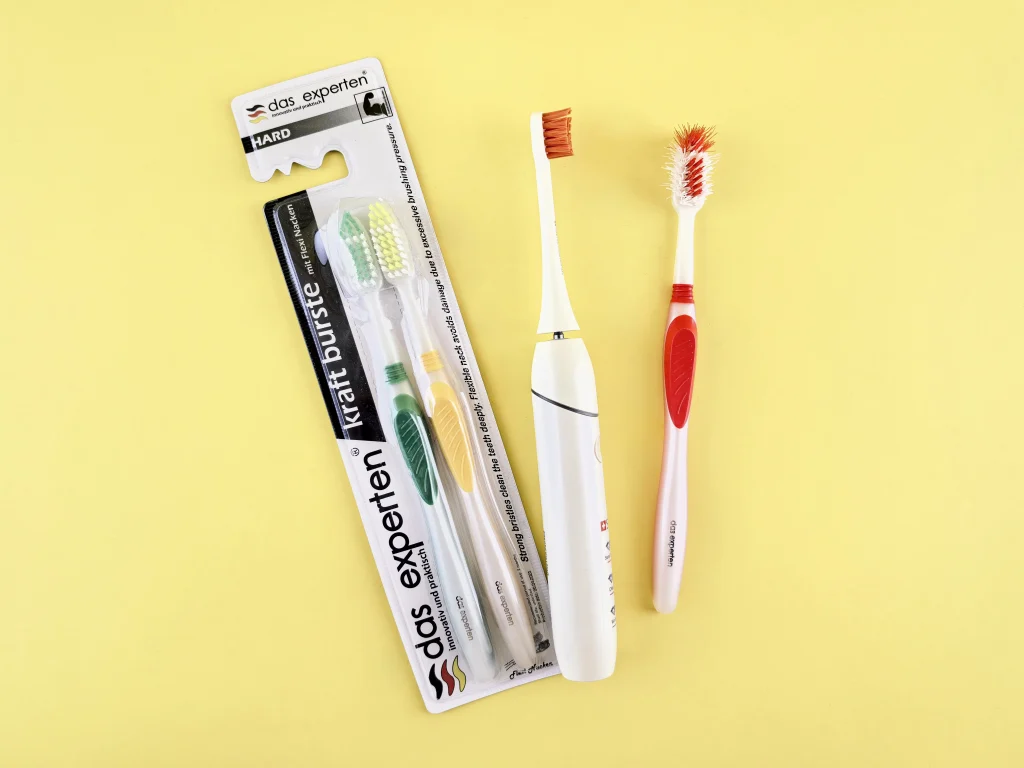
- I’m on my second automatic timed toothbrush, and it is the best tool that’s helped me improve my brushing habits. (The automatic action feels easier, and the timer adds a buzz I know to look forward to, almost like a set it and forget it, but for teeth brushing.)
Digital (Reinforcement)
- Change your phone wallpaper to a close-up photo of your teeth before you sleep, with the requirement to brush before you change it back.
- Change your partner’s or roommate’s contact name to “Brush Your Teeth” so every text from them is a reminder.
Environmental (Keep the thing in your face)
- Throughout the day, watch dental hygiene content. Eventually, your algorithm will start reminding you without any effort as you scroll. Actively watching (until it starts to feel natural) also means you’re more likely to feel motivated to participate.
- Purchase multiple toothbrush packs with toothpaste already loaded in them, and leave a few in all your normal sitting areas.
Manufacture Urgency
Similar to productive procrastination (which others find funny, but I genuinely use on the regular to stay sane), manufactured urgency is just creating your own crisis to do “the thing.”
The trick is to make not brushing more uncomfortable than brushing:
- Make plans to leave the house that require your attendance. Leaving the house tends to trigger basic hygiene habits because you’ll need to get ready to go out anyway.
- If you live with someone, intentionally tell them you need to talk up close. Sometimes, the awareness alone that someone else might smell your breath is enough motivation.
- Schedule a dental cleaning or whatever appointment you’ve been avoiding. Knowing you have to face the hygienist is a hard deadline your brain can’t ignore.
Many adults with ADHD respond to urgency and high stakes more than anything else, so sometimes we need to create a sense of urgency or consequence ourselves to get moving.
The catch is that our brain knows when there’s nothing actually at stake, so a deadline you set for yourself with no consequence for missing it isn’t going to work. A late fee you’ll actually have to pay, a body doubling session with someone counting on you to show up, a dentist appointment already booked and non-refundable, is the real kind of urgency that moves us.
Plan for the Miss
When you’re trying to build any kind of habit with ADHD, the truth is you’re going to miss days, probably even a lot of them. The mistake here isn’t the missed days; it’s depending on a routine that only functions when everything goes right.
So before you start, decide what it looks like when you don’t do the thing: literally plan to miss. What’s the lowest-friction version of this routine you can do on a bad brain day?
The end goal might be brushing every day, but starting with 3-4 times a week will make a real difference. On the days you skip brushing entirely, even just mouthwash or a quick Waterpik pass counts.
Decide in advance, because when executive dysfunction takes over, your brain won’t come up with a fallback in the moment, but if it’s already decided, you’ve given yourself a much better chance at getting it done.
ADHD & the Shame Loop
When your working memory isn’t the most reliable, and you struggle with task switching, the pattern may look like this: you’ll brush, you get distracted, forget, then feel shame when it’s time again, causing you to put it off, then you forget, get distracted, remember, feel shame again…
This is how ADHD squanders well-meaning intentions and creates a mental loop of paralysis. Breaking free becomes even more difficult when the shame stops being about the brushing and starts being about you. Every time you remember you skipped a brush, or swore tonight would be different, and it wasn’t, it adds a little more weight to a task that’s already weighing heavily on you.
At some point, you’re no longer avoiding a two-minute habit, and it turns into internalizing that you’re just someone who can’t keep up with a two-minute habit; an important distinction, because no amount of flavored toothpaste fixes that part.
What truly helps in this case is to stop the habit of turning missed opportunities into an indictment of yourself. However many times you’ve skipped isn’t a reflection of who you are.
The answer behind why you weren’t able to brush is important information about what friction still needs to be addressed.
Shift, “why do I hate brushing my teeth” to “why was I unable to brush my teeth,” and you’re likely to see improvement, especially in your mood. If you view self-care and hygiene as something to accommodate for and not be ashamed of, it’ll be noticeably easier to try again.
What Happens If You Don’t Brush Your Teeth At Night
Ironically, brushing your teeth at night is the easiest brush to skip, yet the most important brush of the day.
While you sleep, your mouth becomes a breeding ground for bacteria, which causes that feeling of gross, mossy teeth to develop over time.
Since less saliva is produced during sleeping hours, the mouth dries out, leaving everything from the day before to marinate on your teeth for the next 8 hours.
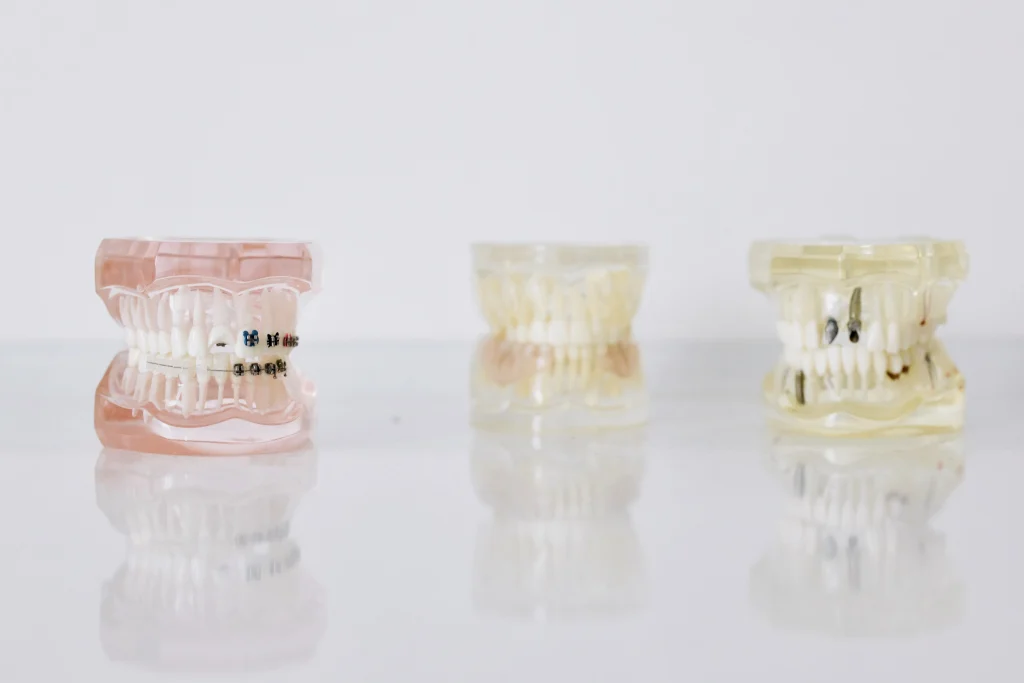
When cavities and tartar build, morning breath becomes a biohazard, and even worse, you may start feeling pain.
I use a Waterpik, an electric timed toothbrush, Therabreath mouthwash (this one specifically doesn’t tingle or have a taste like the minty ones that sting!), and a metal tongue scraper. Once I found the specific tools that made brushing not only bearable, but even enjoyable, I often catch myself craving this dental routine when my mouth doesn’t feel clean.
Takeaway
Having this knowledge doesn’t magically make brushing easier, especially when you’re already in bed, exhausted, and the bathroom feels like it’s a mile away.
On the days you can’t muster up the energy to do the full brush routine, just do something. Rinse with water, swish some mouthwash, or one of the most foolproof options: keep a few disposable toothbrushes near your bedside.
Having these supports set in place will help keep you from spiraling into the shame loop that makes brushing your teeth tomorrow even harder.
Disclaimer: The content on Scatterbrained Sister is for informational and reflective purposes only and isn’t a substitute for professional medical advice, diagnosis, or treatment. Always consult your healthcare provider with questions about ADHD or any other condition. These experiences are personal and may not apply to everyone.